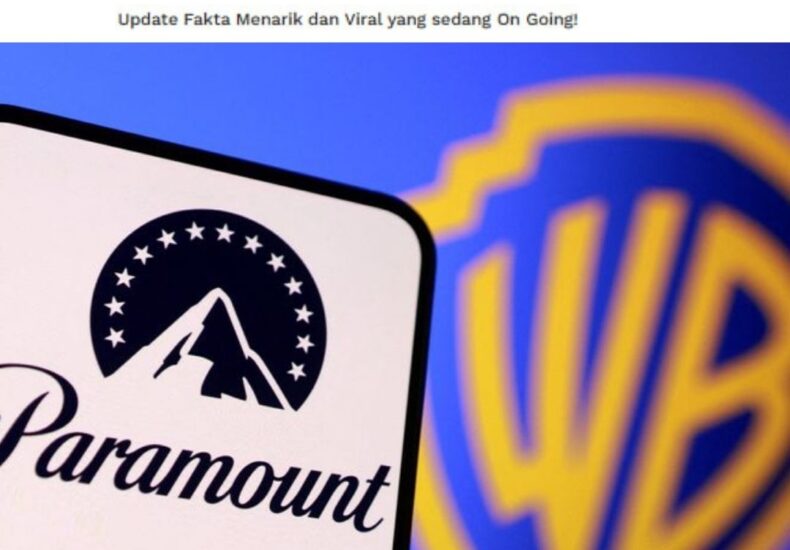
Warner Bros Rejects Revised Paramount Bid, Signals Openness to Final Offer
Warner Bros rejects revised Paramount bid, yet the entertainment giant has indicated it remains open to considering a final proposal. The development adds another chapter to the ongoing consolidation wave reshaping the global media landscape.
The reported offer came from Paramount Global and was aimed at strengthening its position in an increasingly competitive streaming and content market. However, Warner Bros. Discovery determined that the revised bid did not fully reflect the company’s long-term value or strategic potential.
Strategic Calculations Behind the Rejection
When Warner Bros rejects revised Paramount bid, it signals careful consideration rather than outright dismissal. Media mergers are complex, involving not only financial evaluations but also regulatory, operational, and creative factors.
Industry analysts suggest that Warner Bros may believe its standalone growth strategy offers greater long-term returns. The company owns an extensive portfolio of film studios, television networks, and streaming platforms. Therefore, any acquisition proposal must justify both valuation and future synergy benefits.
At the same time, the fact that Warner Bros remains open to a final offer leaves room for continued negotiations. This indicates that discussions between the two companies are not entirely closed.
Media Consolidation Intensifies
The entertainment industry is undergoing rapid transformation. Streaming competition has intensified as companies invest heavily in original programming and global distribution networks.
If Warner Bros rejects revised Paramount bid now, it could be part of a broader negotiation tactic. Companies often reject initial or revised offers to secure improved financial terms. Additionally, boards have a fiduciary duty to protect shareholder interests.
Paramount, on the other hand, may view Warner Bros as a strategic asset that could enhance scale, content libraries, and distribution strength. Consolidation could potentially reduce operational redundancies and expand international reach.
Investor and Market Reaction
Financial markets closely monitor such high-profile negotiations. Share prices can fluctuate based on speculation about potential mergers or acquisitions. When Warner Bros rejects revised Paramount bid, investors may interpret the decision as confidence in the company’s independent growth plan.
However, uncertainty can also create volatility. Stakeholders typically seek clarity on leadership strategy and long-term direction. Transparency in communication often helps stabilize investor sentiment during merger talks.
What Happens Next?
Although Warner Bros rejects revised Paramount bid at this stage, the door remains open for a final proposal. If Paramount submits an improved offer, negotiations could resume quickly.
Regulatory scrutiny would also play a significant role in any potential deal. Media mergers often face antitrust reviews, particularly when they involve major content producers and distributors.
Ultimately, the situation underscores how competitive and dynamic the entertainment industry has become. As streaming wars continue and digital platforms expand, major players must evaluate every opportunity carefully.
For now, Warner Bros maintains control of its strategic path. Whether a final offer materializes or not, the company’s decision reflects a broader trend: media giants are recalibrating their strategies to survive and thrive in a rapidly evolving global market.